
Easy
timer5 min
AI & Tech Quiz - 18 June 2026
Practice set with auto scored questions and a leaderboard.
help10 questions
gradingAuto scored
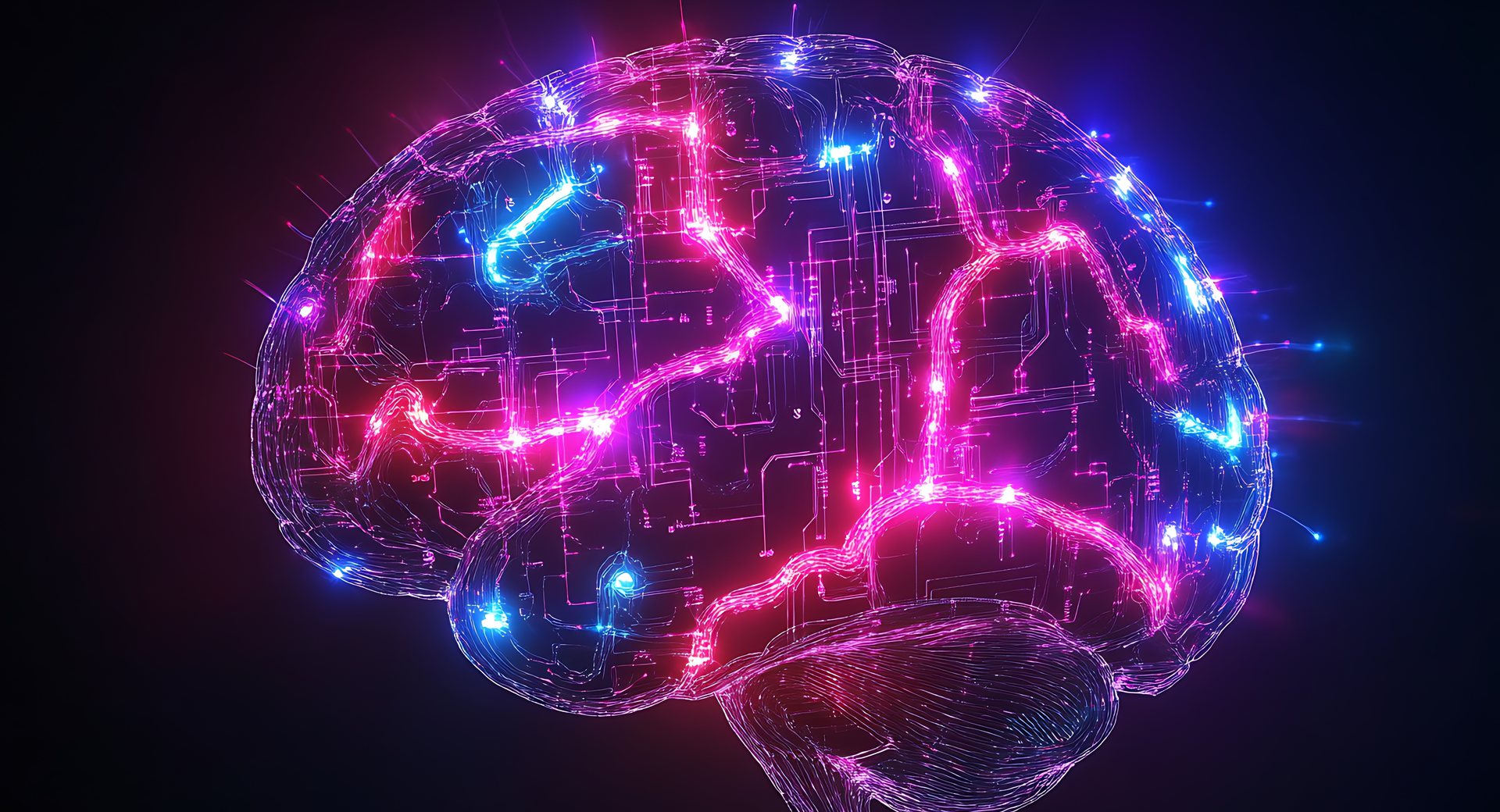
AI and technology have moved from a niche topic to one of the most common areas in general knowledge and current affairs. From the phone in your hand to the way you pay, send messages, and get government services, technology now shapes dail
Pick a set, beat the timer and get scored at once. Then open your answer sheet and check the leaderboard. Every quiz here is a real set you can take.
Practice set with auto scored questions and a leaderboard.
Practice set with auto scored questions and a leaderboard.

Computer fundamentals, hardware, software and abbreviations for bank exams.

India's top competitive exams, UPSC, SSC, NEET, JEE, CAT, Banking and Defence: who conducts them, what they unlock, that every aspirant should know.
Read this in plain English, then take the quizzes above. Free to read, no login needed.
AI and technology have moved from a niche topic to one of the most common areas in general knowledge and current affairs. From the phone in your hand to the way you pay, send messages, and get government services, technology now shapes daily life in India. Exam boards have noticed this, so questions on artificial intelligence, the internet, cyber safety, and India's own digital systems show up more and more in the General Awareness and Computer sections.
The good news is that most of the basics are static. Once you understand what AI is, how it differs from machine learning, what the cloud or 5G actually mean, and how UPI and Aadhaar work, those facts stay useful for a long time. This page gives you the core ideas in plain words, plus practice quizzes, so you can build steady awareness without getting lost in jargon or chasing every new product name.
Artificial intelligence, or AI, is the broad idea of building machines that can do tasks we link with human thinking, like understanding language, spotting patterns, or making decisions. The term was coined in 1956 at the Dartmouth workshop, where John McCarthy and others started AI as a field of study. Even earlier, in 1950, Alan Turing asked the famous question can machines think, and gave us the Turing Test.
Machine learning is a part of AI, not a separate thing. Instead of a programmer writing every rule by hand, a machine learning system is trained on lots of data and learns the patterns by itself. After training, it can make predictions on new data it has never seen.
Deep learning is a further part of machine learning that uses large neural networks with many layers. So the simple order to remember is AI is the widest circle, machine learning sits inside it, and deep learning sits inside machine learning.
Generative AI is the kind of AI that creates new content, such as text, images, audio, or code, rather than only sorting or labelling data. Tools that write essays, answer questions, or make pictures from a prompt are all generative AI.
Many popular text tools are built on large language models, often shortened to LLMs. These are trained on huge amounts of text and learn to predict the next word, which lets them hold a conversation or draft content. The key idea behind them is the transformer, a design introduced in a 2017 research paper called Attention Is All You Need. The transformer uses a method called attention to weigh which words matter most to each other.
It helps to know the limits too. These models can sound confident and still be wrong, a problem often called hallucination. They are tools to assist you, not a final source of truth, so you should always check important facts.
Cloud computing means using computing power and storage over the internet, from large data centres, instead of keeping everything on your own machine. When you store photos online or use an app that saves your data on a server, you are using the cloud.
5G is the fifth generation of mobile networks. It offers much faster speeds and lower delay, called latency, than 4G, which helps with video, gaming, and connected devices. The Internet of Things, or IoT, is the network of everyday objects that connect to the internet and share data, like smart watches, smart TVs, sensors, and home gadgets.
Blockchain is a shared digital record, or ledger, that is spread across many computers instead of sitting in one place. Once a record is added it is very hard to change, which is why it is used for things like cryptocurrencies. India's own digital rupee, or CBDC, is a related idea run by the Reserve Bank of India.
Cybersecurity is about protecting devices, accounts, and data from theft, damage, or misuse. As more of life moves online, basic digital safety has become a life skill, not just an IT topic.
The most common threat for ordinary users is phishing, where a fake message or call tricks you into sharing a password, OTP, card number, or UPI PIN. In India, common scams include fake KYC update calls, lottery messages, and so called digital arrest calls. A simple rule keeps you safe, never share your OTP or UPI PIN with anyone, because no real bank or company will ever ask for it.
A few habits cut most of the risk. Use strong, different passwords, turn on two factor authentication so a stolen password alone is not enough, keep your apps and phone updated, and install apps only from official stores. Verify before you click any link in a message.
India is known worldwide for its digital public infrastructure, or DPI, which means shared digital systems that anyone can build on. The three big pillars are often called the JAM trinity, Jan Dhan bank accounts, Aadhaar identity, and Mobile connectivity.
Aadhaar is a unique digital identity backed by biometrics, run by the UIDAI, and it lets people prove who they are for many services. UPI, the Unified Payments Interface, is a real time payment system built by the NPCI that lets money move instantly between bank accounts using a phone. It has become the world's largest real time retail payment system by number of transactions. Other parts of India Stack include DigiLocker for storing documents and ONDC for open commerce.
AI now sits on top of this base in services like fraud checks on payments, language tools for Indian languages, and smart help in government apps. To protect users, India passed the Digital Personal Data Protection Act in 2023, its first full data protection law.
Technology is not only about gadgets. It raises fair questions about how it is used. One big issue is bias, an AI system learns from past data, so if that data carries old unfairness, the system can repeat it. Another is privacy, since many AI tools need large amounts of data, including personal data, to work.
The effect on jobs is debated. Automation can take over repetitive tasks, which may remove some roles, but it can also create new ones in areas like data, AI support, and digital services. The common advice is to keep learning new skills so you can work alongside these tools rather than compete with them.
For exams and for life, the balanced view matters most. AI is a powerful helper that can save time and effort, but it needs human checking, clear rules, and care for privacy and fairness. Knowing both the benefits and the risks is exactly the kind of awareness questions are now testing.
AI and technology awareness now appears across both the General Awareness or current affairs section and the Computer Knowledge section of many Indian exams. In banking and SSC exams, the Computer section asks about basics like cloud, networks, cyber safety, and common short forms, while the current affairs portion covers new tech launches, government digital schemes, UPI and Aadhaar milestones, and major AI news. In UPSC and state PSC exams, topics like digital public infrastructure, data protection law, and the impact of AI on jobs and society fit into governance, economy, and science and technology. Because the core ideas here are mostly static, learning them once gives you steady marks, and adding a light habit of reading recent tech news keeps you ready for the current affairs angle.

Extra practice for your exam, auto scored with a leaderboard.

Do you know who invented some of the things we use everyday? Choose the correct answers on this quiz to find out.

Extra practice for your exam, auto scored with a leaderboard.
Teach a batch? Make your own quiz on Quizzory in minutes. Add MCQ, short answer or long answer questions, set a timer that auto submits, and share it with one WhatsApp link. MCQs are scored automatically. Every student sees a percent score and an answer sheet, and a leaderboard ranks the batch by score then speed. You sign in with a free SurveyHeart account to create. Students need no login to attempt.
addCreate a QuizYes. You can attempt any quiz on Quizzory for free from any phone or laptop, and you do not need to log in to take it. You only need a free SurveyHeart account if you want to create your own quiz.
No login is needed just to attempt a quiz. You only need a free SurveyHeart account when you want to build and share your own quiz.
Multiple choice questions are scored automatically, so you see your result right away. You also get an answer sheet to check which questions you got right or wrong and learn from them.
No. Quizzory does not have negative marking, so a wrong answer scores zero and never pulls your total below it. You can still attempt every question without fear.
Yes. There is a leaderboard, but it is not live. It updates when you refresh the page, so refresh to see where you stand against other attempts.
Yes. Each quiz has a one tap WhatsApp share, so you can send the link to your group in seconds. Anyone with the link can attempt it on any phone without logging in.