Indian Geography for Competitive Exams 2026: Physical, Economic, Human Geography for UPSC and Banking General Awareness
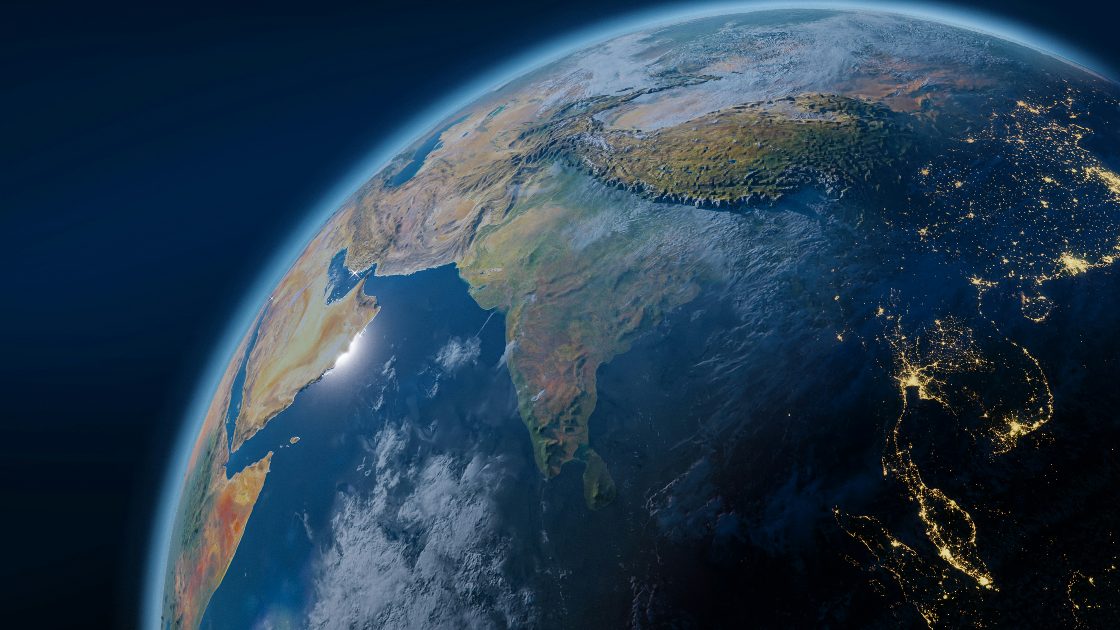
Three subjects hide inside one syllabus heading. Physical geography asks where rivers flow and how monsoons form. Economic geography asks where minerals sit and which crops grow where. Human geography asks where people live and why.
UPSC Prelims 2025 carried around 12 to 13 geography questions. Physical geography led the count, followed by Indian and world economic geography. In Mains GS Paper 1, geography contributes ten to fifteen percent of the marks. The same syllabus shows up in SSC CGL general awareness and IBPS PO descriptive sections.
Maps teach what paragraphs cannot.
Start with NCERT Class 11 Fundamentals of Physical Geography and Class 11 India Physical Environment. Move to Class 12 Human Geography and Class 12 India People and Economy. These four books cover seventy percent of the geography asked in UPSC Prelims and most banking general awareness questions.
GC Leong's Certificate Physical and Human Geography is the standard reference for monsoon mechanism, cyclones, and tropical climates.
Keep a wall map of India next to your study desk. Mark the Ganga, Brahmaputra, Krishna, and Godavari river systems. Add the major coal, iron ore, and bauxite belts. Then mark the seven Union Territories and the Northeast states. A scanner's eye built over six months beats memorisation done in the final week.
Climate change, the Indian monsoon shift, river interlinking projects, and the western disturbance pattern are the current-affairs side of geography. The Hindu Science page covers most of these once a month. Read it consistently.
Open Google Earth this weekend and trace the path of the Brahmaputra from Tibet to Bangladesh. One hour of map study a week is worth ten hours of textbook reading for this subject.